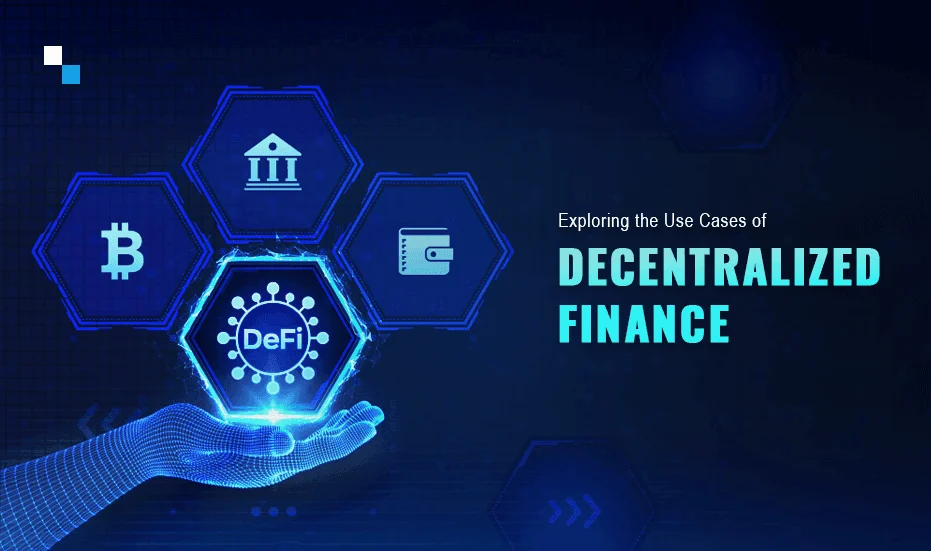
DeFi and Web3 are no longer limited to experimental platforms or niche communities. They are increasingly delivering real-world value across finance, digital commerce, creative industries, and online governance. By enabling decentralized ownership, programmable finance, and trustless interaction, these technologies are redefining how individuals and organizations operate in the digital economy.
Decentralized Lending and Borrowing
One of the most established use cases of DeFi is decentralized lending and borrowing. Users can lend digital assets to earn interest or borrow assets by providing collateral, all without relying on traditional financial institutions.
Key advantages include:
-
Permissionless access to credit
-
Transparent interest rates determined by supply and demand
-
Automated liquidation through smart contracts
These platforms provide global access to liquidity and create alternatives to traditional banking systems.
Decentralized Exchanges (DEXs)
Decentralized exchanges allow users to trade digital assets directly from their wallets without custodial risk. Unlike centralized exchanges, DEXs operate entirely on-chain through smart contracts.
DEX-related benefits include:
-
Full user custody of funds
-
Reduced counterparty risk
-
Censorship-resistant trading
DEXs have become a critical component of the DeFi ecosystem, enabling trustless asset exchange.
Yield Farming and Liquidity Provision
Yield farming allows users to earn rewards by supplying liquidity to DeFi protocols. Liquidity providers deposit assets into pools that facilitate trading, lending, or other financial activities.
Key yield farming features include:
-
Token-based incentives and rewards
-
Flexible participation without lock-in periods
-
Transparent reward distribution mechanisms
While yield farming can generate attractive returns, it also introduces risks that users must understand.
Stablecoins and Payments
Stablecoins play a vital role in DeFi and Web3 by providing price stability in an otherwise volatile market. They are commonly used for payments, trading, and value transfer.
Stablecoin use cases include:
-
Cross-border payments with low fees
-
Medium of exchange within Web3 applications
-
Store of value during market volatility
Stablecoins bridge traditional finance and decentralized systems.
NFTs and the Creator Economy
Non-fungible tokens (NFTs) have transformed how digital content is owned and monetized. Web3 enables creators to tokenize their work and sell directly to audiences.
NFT applications include:
-
Digital art and collectibles
-
Music, media, and intellectual property rights
-
In-game assets and virtual goods
Smart contracts enable creators to earn ongoing royalties, reshaping the creator economy.
Decentralized Autonomous Organizations (DAOs)
DAOs use blockchain-based governance to coordinate communities and manage shared resources. Decisions are made through token-based voting rather than centralized leadership.
DAO use cases include:
-
Protocol governance and treasury management
-
Community-driven investment funds
-
Open-source project coordination
DAOs enable global collaboration without traditional organizational structures.
Web3 Identity and Data Ownership
Web3 introduces decentralized identity systems that give users control over their personal data and credentials.
Identity-related applications include:
-
Self-sovereign digital identities
-
Verifiable credentials and access control
-
Reduced dependence on centralized identity providers
These solutions improve privacy and security across digital platforms.
Conclusion
DeFi and Web3 are driving practical innovation across financial services, digital ownership, governance, and online interaction. From decentralized lending and exchanges to NFTs, DAOs, and identity systems, these technologies enable new economic models that prioritize transparency and user control. As adoption grows and infrastructure matures, DeFi and Web3 are positioned to play a central role in shaping the future of the digital economy.

Related Posts