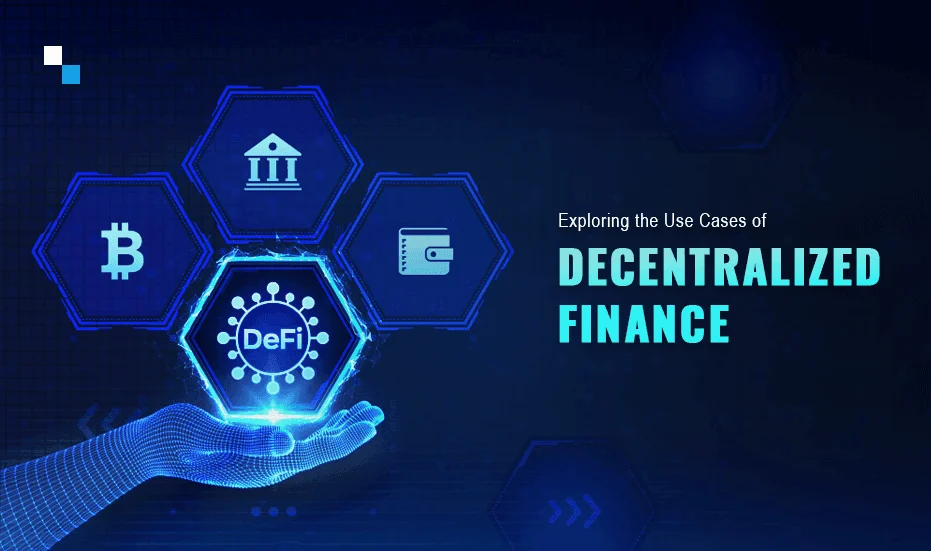
Decentralized Finance (DeFi) and Web3 are built on a set of core components that collectively redefine how digital services, financial systems, and online interactions function. These components work together to eliminate intermediaries, increase transparency, and return ownership and control to users. This article examines the essential building blocks of DeFi and Web3 and highlights the key benefits they deliver.
Smart Contracts as the Execution Layer
Smart contracts are the backbone of DeFi and Web3 applications. They are self-executing programs deployed on blockchains that automatically enforce rules and execute transactions when predefined conditions are met. Once deployed, smart contracts operate transparently and without human intervention.
Key advantages of smart contracts include:
-
Automated execution without intermediaries
-
Reduced operational costs and settlement delays
-
Transparent and verifiable logic
By replacing manual processes with code, smart contracts improve efficiency and reduce the risk of manipulation.
Decentralized Applications (dApps)
Decentralized applications, or dApps, are user-facing interfaces that interact with smart contracts on the blockchain. Unlike traditional applications, dApps do not rely on centralized servers to store data or execute logic.
Core dApp characteristics include:
-
Open-source and transparent architecture
-
Censorship resistance
-
Direct user interaction through wallets
dApps empower users to interact directly with protocols while maintaining control over their assets and data.
Digital Wallets and Self-Custody
Digital wallets serve as the primary gateway to DeFi and Web3. They allow users to store assets, sign transactions, and access applications using cryptographic keys.
Key wallet benefits include:
-
Full asset ownership and control
-
Elimination of custodial risk
-
Seamless access across multiple platforms
Self-custody wallets shift responsibility from institutions to users, reinforcing the principle of individual ownership.
Tokens and Incentive Mechanisms
Tokens play a central role in aligning incentives within DeFi and Web3 ecosystems. They are used for payments, governance, staking, and rewarding participation.
Token-based benefits include:
-
Incentivized network participation
-
Decentralized governance through voting rights
-
Economic sustainability of protocols
These incentive mechanisms encourage long-term engagement and network growth.
Decentralized Finance Protocols
DeFi protocols replicate traditional financial services in a decentralized environment. These protocols operate without banks, brokers, or clearinghouses.
Major DeFi protocol categories include:
-
Lending and borrowing platforms
-
Decentralized exchanges (DEXs)
-
Yield farming and liquidity pools
Users can earn returns, access liquidity, and trade assets directly from their wallets.
User Data Ownership and Privacy
Web3 introduces a shift in data ownership by enabling users to control their digital identities and personal information. Instead of surrendering data to centralized platforms, users manage access through cryptographic credentials.
Privacy and data benefits include:
-
Reduced data exploitation by centralized entities
-
Selective data sharing
-
Improved resistance to mass data breaches
This model promotes a more equitable and privacy-focused digital economy.
Interoperability and Composability
DeFi and Web3 systems are designed to be interoperable, allowing applications to interact seamlessly with one another. This composability accelerates innovation and enables complex use cases.
Key interoperability benefits include:
-
Integration across multiple protocols
-
Rapid product development
-
Expanded functionality through protocol stacking
This modular approach distinguishes DeFi from traditional financial infrastructure.
Conclusion
The core components of DeFi and Web3—smart contracts, dApps, wallets, tokens, and decentralized protocols—form an interconnected ecosystem that prioritizes transparency, efficiency, and user ownership. By eliminating intermediaries and enabling programmable value exchange, DeFi and Web3 deliver tangible benefits across finance, digital identity, and online interaction. As adoption increases and infrastructure matures, these technologies are set to redefine the future of the internet and global financial systems.

Related Posts